A beetroot shot, powder, capsules, or just an arugula salad - all these options promise 'nitrates,' but the real dose of the active substance in them differs several-fold. The editorial team explains how the product forms differ, what to look at on the label, and why some 'alternatives' should be avoided.
Why the product form matters
On the shelves of sports nutrition stores, beetroot nitrates are presented in the most varied forms: concentrated shots, ordinary juices, powders, capsules, chewable tablets, mixtures with other ingredients. Outwardly they are all 'from beetroot,' but the amount of the active substance - nitrate - can differ tens of times.
The nitrate content in the beetroot itself depends on the variety, soil, fertilizers, lighting, season, and method of storage. Processing technology also matters: heating, drying, and long storage can change the nitrate content, while bacterial contamination can convert it into nitrite while still in the bottle.
The study by Gallardo and Coggan (2019) analyzed commercial beetroot products sold to athletes and found a significant difference in nitrate content both between brands and between batches, as well as discrepancies with what was stated on the label. That is, even a 'sports' product does not guarantee a stable dose.
Since the effective single dose is approximately 6-8 mmol (≈370-500 mg) of nitrate, the key selection criterion should be the ability to obtain precisely this amount - reliably and in a convenient volume.
Juices and concentrated shots
The concentrated beetroot shot is the form with which the most research has been done. Usually this is 70 ml of product with a standardized nitrate content, about 6-6.5 mmol per serving. It was precisely such shots that were used in the key works of the Exeter group (Wylie et al., 2013; Jones, 2014).
The advantages of shots are the small volume, which is important before a start, a known dose, and a direct link to the evidence base. The disadvantages are the price, the specific taste that not everyone likes, and the limited availability of some brands in Ukraine.
Ordinary beetroot juice is a cheaper option, but less predictable. To get an effective dose, you may need about 500 ml of juice, and this volume is hard for many to tolerate before exercise. In addition, the nitrate content in juices not aimed at athletes is usually not indicated.
Freshly squeezed homemade juice also has a right to exist, but its nitrate content is impossible to predict. An important nuance is storage: in open juice at room temperature, bacteria can convert nitrate into nitrite. So fresh juice is better drunk right away, and open bottles kept in the refrigerator.

Powders, capsules, and tablets
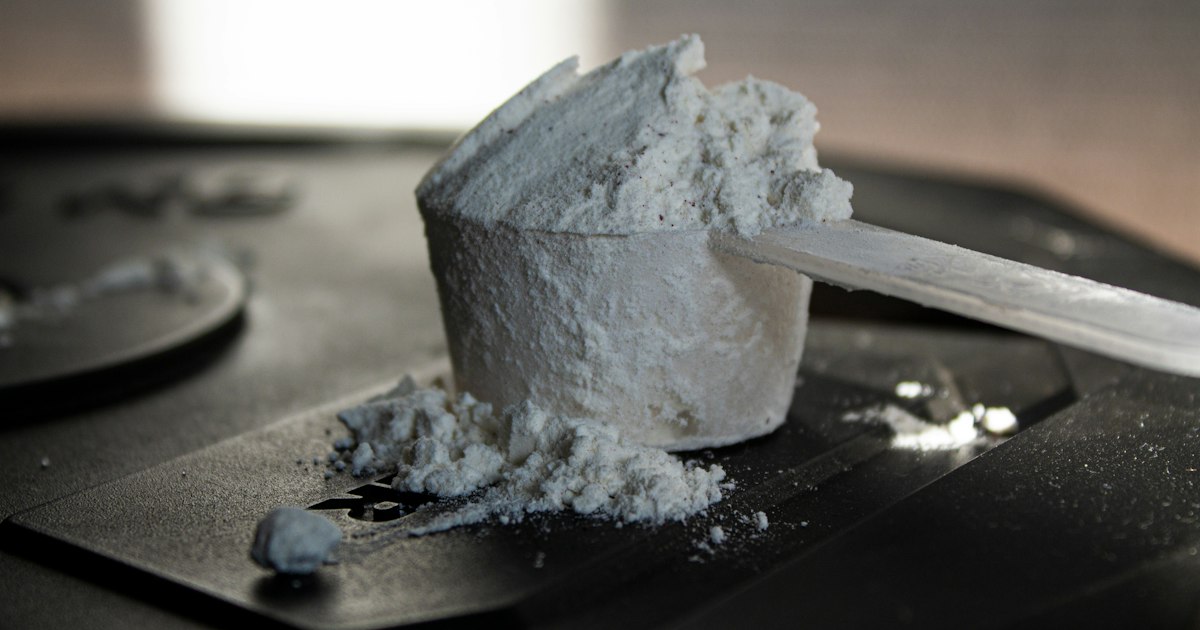
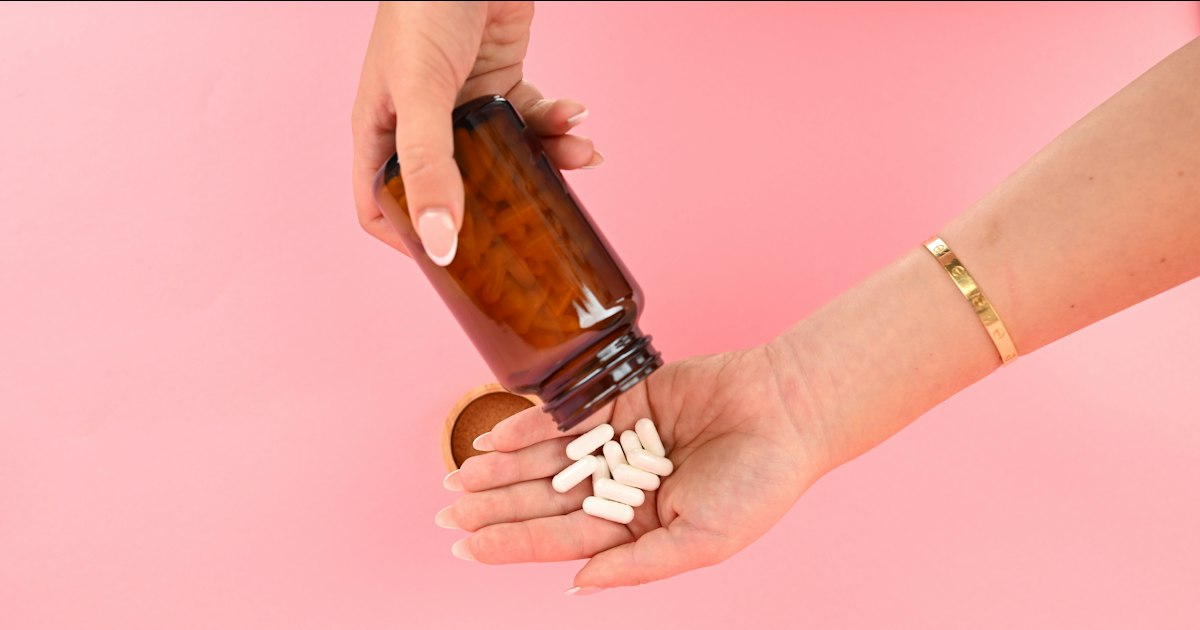
Beetroot powders and capsules are the most convenient for storage and transport. However, it is precisely in this category that there are the most disappointments. Many powders are simply dried beetroot in which the nitrate content is low or not indicated. To get 6-8 mmol of nitrate from such a product, an unrealistically large amount of powder or capsules is sometimes needed.
It is important not to confuse 'beetroot extract' with 'nitrate.' The label may indicate milligrams of extract, betalain content, or 'fresh beetroot equivalent.' None of these indicators tells you the amount of nitrate. Look specifically for 'nitrate (NO₃⁻) - mg per serving.'
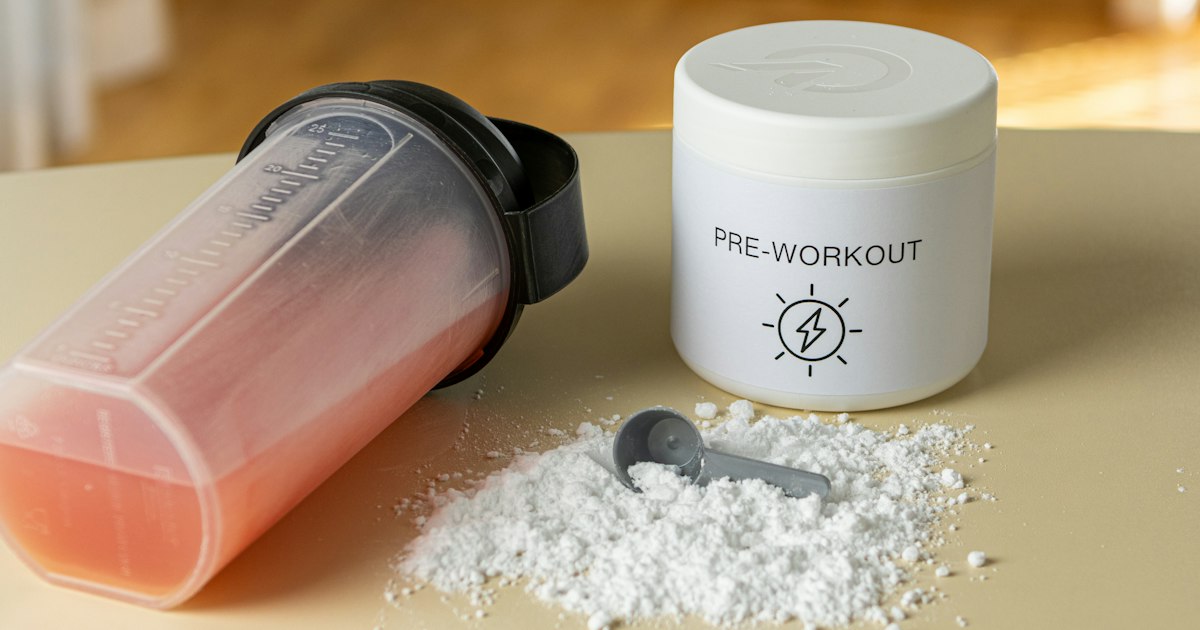
A separate class is 'nitric oxide' mixtures and pre-workout complexes, where beetroot is added alongside citrulline, arginine, and caffeine. The nitrate dose in such mixtures is often token and does not reach the levels from studies. If you need the nitrate effect specifically, assess its amount separately.
Chewable tablets and nitrate 'gums' are a relatively new form. There is little research on them, but the logic of action is the same: what matters is the total dose of nitrate and the effect on the oral microflora, which converts nitrate into nitrite.
Vegetables instead of supplements and dangerous 'alternatives'
Dietary vegetables are a complete source of nitrate. Arugula, spinach, lettuce, celery, and beetroot belong to the categories with very high content (Hord et al., 2009). A large salad with leafy greens can approach an effective dose, and it also provides fiber, potassium, folate, and polyphenols.
The downside of the 'vegetable' approach is unpredictability and volume. Before competitions it is not always convenient to eat a large plate of greens, and its nitrate content can vary several-fold. So the editorial team regards vegetables as the basis of the everyday diet, and standardized products as a tool for specific starts.
Chemical salts, by contrast - sodium nitrate, potassium nitrate - are not a means for self-use, although they have been used in individual laboratory studies (Larsen et al., 2007). Errors in weighing small amounts can lead to an overdose.
Sodium nitrite is a substance you absolutely must not experiment with. Cases of fatal poisoning by sodium nitrite through methemoglobinemia have been documented. No 'sports' goal justifies such a risk.
| Form | Advantages | Disadvantages |
|---|---|---|
| Concentrated shot | Known dose, small volume, basis of research | Price, taste, availability |
| Ordinary juice | Availability, price | Large volume, unknown dose |
| Powder, capsules | Convenience, storage | Often low or unstated nitrate content |
| 'NO booster' mixtures | Several ingredients in one | Nitrate dose is usually token |
| Vegetables | Health benefits, low price | Unpredictability, volume |
How to choose a product: the editorial checklist
When choosing a nitrate product, the editorial team advises paying attention not to marketing words but to specific characteristics. Here is a short list of questions worth asking yourself before buying.
- Is the nitrate (NO₃⁻) content indicated in milligrams or millimoles per serving?
- How many servings are needed for 6-8 mmol (≈370-500 mg) of nitrate - is it realistic to take that much?
- Is there independent laboratory certification for the absence of prohibited substances (important for athletes undergoing doping control)?
- How much sugar is in a serving and does it fit into your diet?
- What are the storage conditions after opening?
- Do you comfortably tolerate the taste and volume before training?
If the manufacturer does not indicate the nitrate content, you can write to them asking for laboratory analysis data. Responsible companies usually have such data, and the absence of a reply is also information to reflect on.
Athletes undergoing doping control should remember: nitrates themselves are not banned by WADA, but any supplement carries a risk of contamination. Certified products reduce this risk.
And finally, the best form is the one you will actually take regularly and that stably provides the needed dose. Test it during training before the start.
Editorial conclusions
The most predictable and best-studied option is concentrated beetroot shots with a standardized nitrate content. Ordinary juices and vegetables work, but the dose in them is hard to control. Powders and capsules often contain too little nitrate, so they require careful label reading.
Chemical nitrate salts, and especially sodium nitrite, are not a safe alternative to dietary sources: a mistake with nitrite can cost you your life.
To use your chosen product correctly, also read 'How to take beetroot nitrate: dosage, timing, duration,' 'Side effects of beetroot nitrate,' and 'Myths about beetroot nitrate.'
References
- Gallardo EJ, Coggan AR. What is in your beet juice? Nitrate and nitrite content of beet juice products marketed to athletes. Int J Sport Nutr Exerc Metab. 2019;29(4):345–349.
- Wylie LJ, Kelly J, Bailey SJ, et al. Beetroot juice and exercise: pharmacodynamic and dose-response relationships. J Appl Physiol. 2013;115(3):325–336.
- Jones AM. Dietary nitrate supplementation and exercise performance. Sports Med. 2014;44(Suppl 1):S35–S45.
- Hord NG, Tang Y, Bryan NS. Food sources of nitrates and nitrites: the physiologic context for potential health benefits. Am J Clin Nutr. 2009;90(1):1–10.
- Larsen FJ, Weitzberg E, Lundberg JO, Ekblom B. Effects of dietary nitrate on oxygen cost during exercise. Acta Physiol (Oxf). 2007;191(1):59–66.
- Maughan RJ, Burke LM, Dvorak J, et al. IOC consensus statement: dietary supplements and the high-performance athlete. Br J Sports Med. 2018;52(7):439–455.
- World Anti-Doping Agency. The World Anti-Doping Code: International Standard. Prohibited List. Montreal: WADA; 2024.
Andriy Melnyk
A strength-sports coach and author of programs for beginner and intermediate levels. Writes about training planning.